Discover
The child touches a card and it says its word. No right or wrong answer: we explore, we listen.
 From précoce and Spillschoul
Your child is starting précoce or Spillschoul soon and doesn't hear Luxembourgish at home? The Kawi app helps them recognise words from the classroomroom through play, without reading, at their own pace.
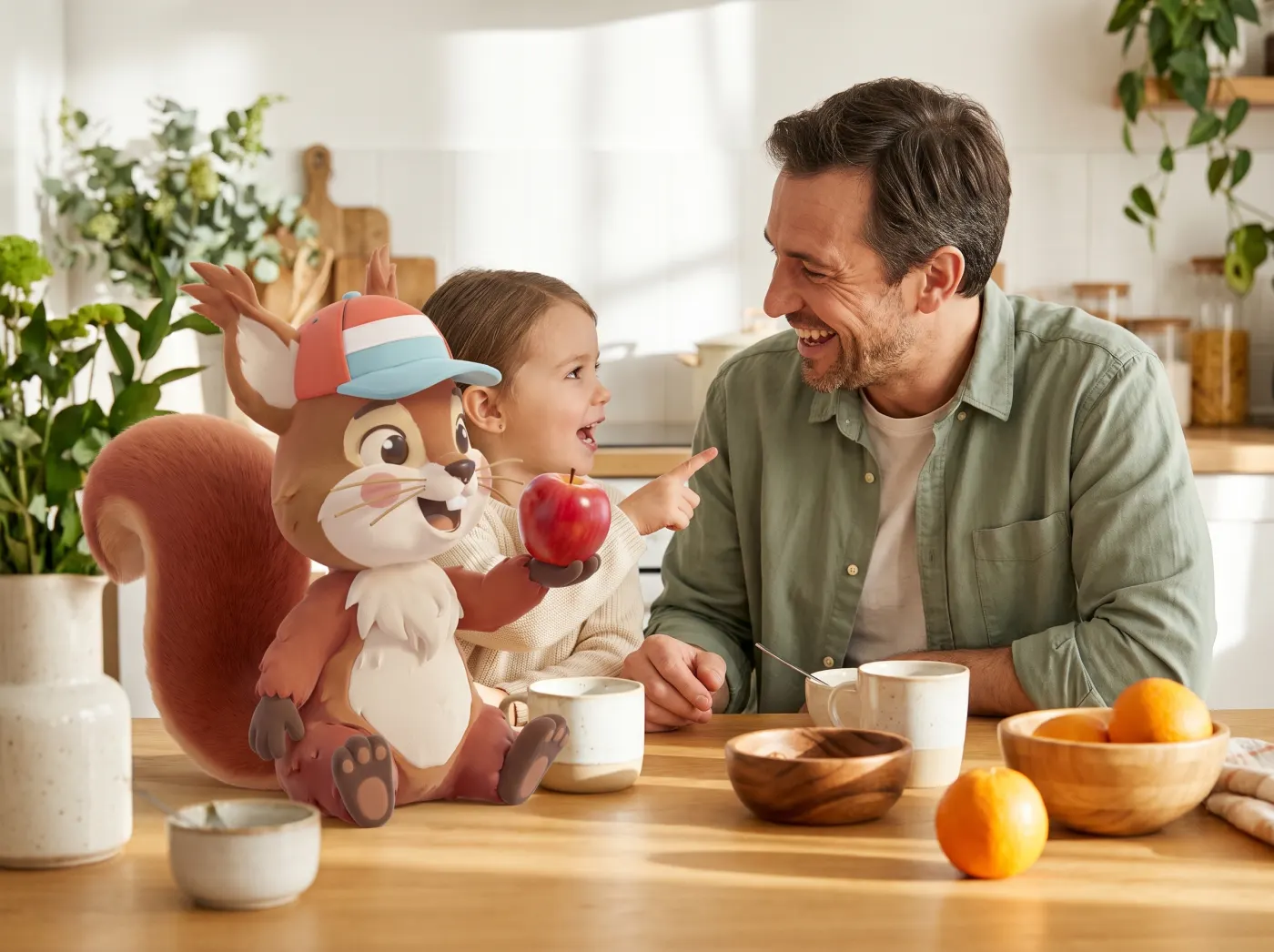
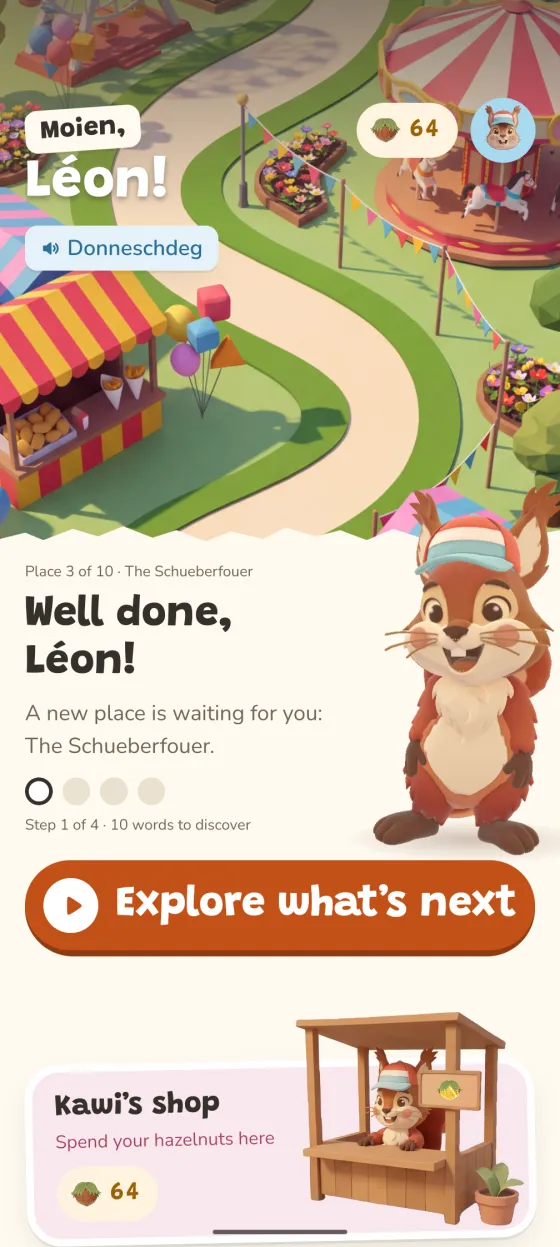
Many parents discover Luxembourgish at the same time as their child. That's exactly what Kawi is for: you play together, you hear the real pronunciation, and the translation is there in your own language.
No reading, no pressure. Pictures, the official LOD.lu pronunciation, and every success celebrated.
The official pronunciation from the LOD.lu dictionary, clear and true.
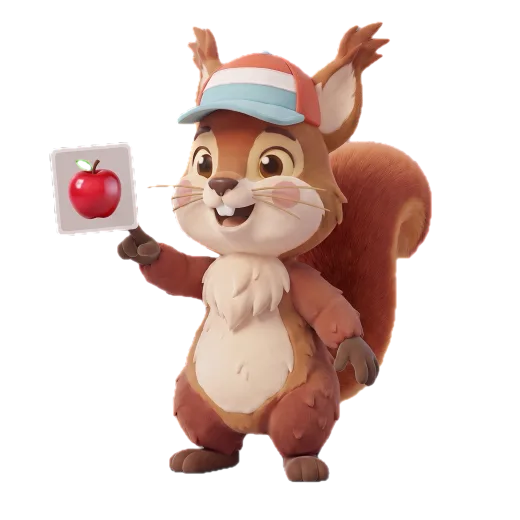
They pick the right drawing. Got it wrong? No worries, we try again with no penalty.

They repeat the word after Kawi, never judged. Every success is celebrated: a reason to want to come back tomorrow.
Six ways to learn, in the order a child builds a language: the ear first, reading last, and speaking all the way through.
The child touches a card and it says its word. No right or wrong answer: we explore, we listen.
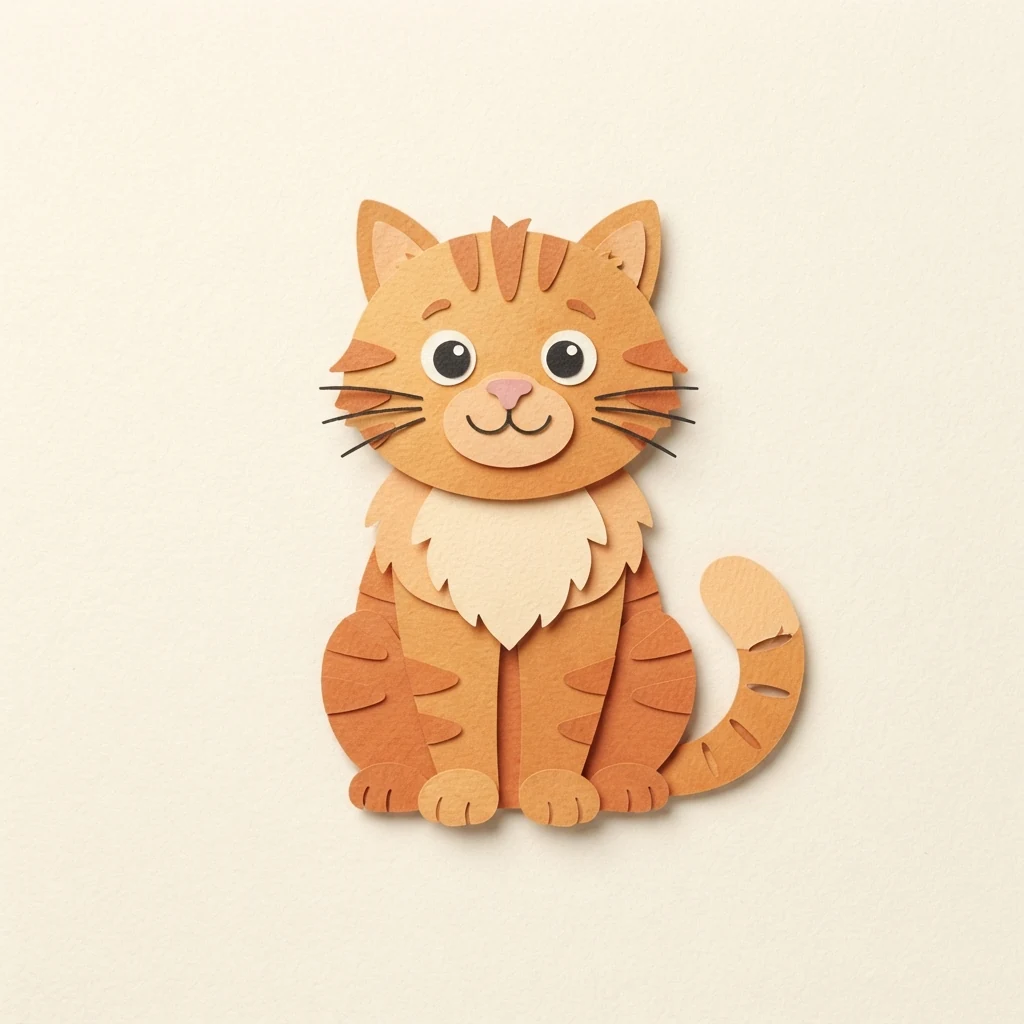
The voice says a word, the child touches the right picture. The heart of the game: hear, then point.
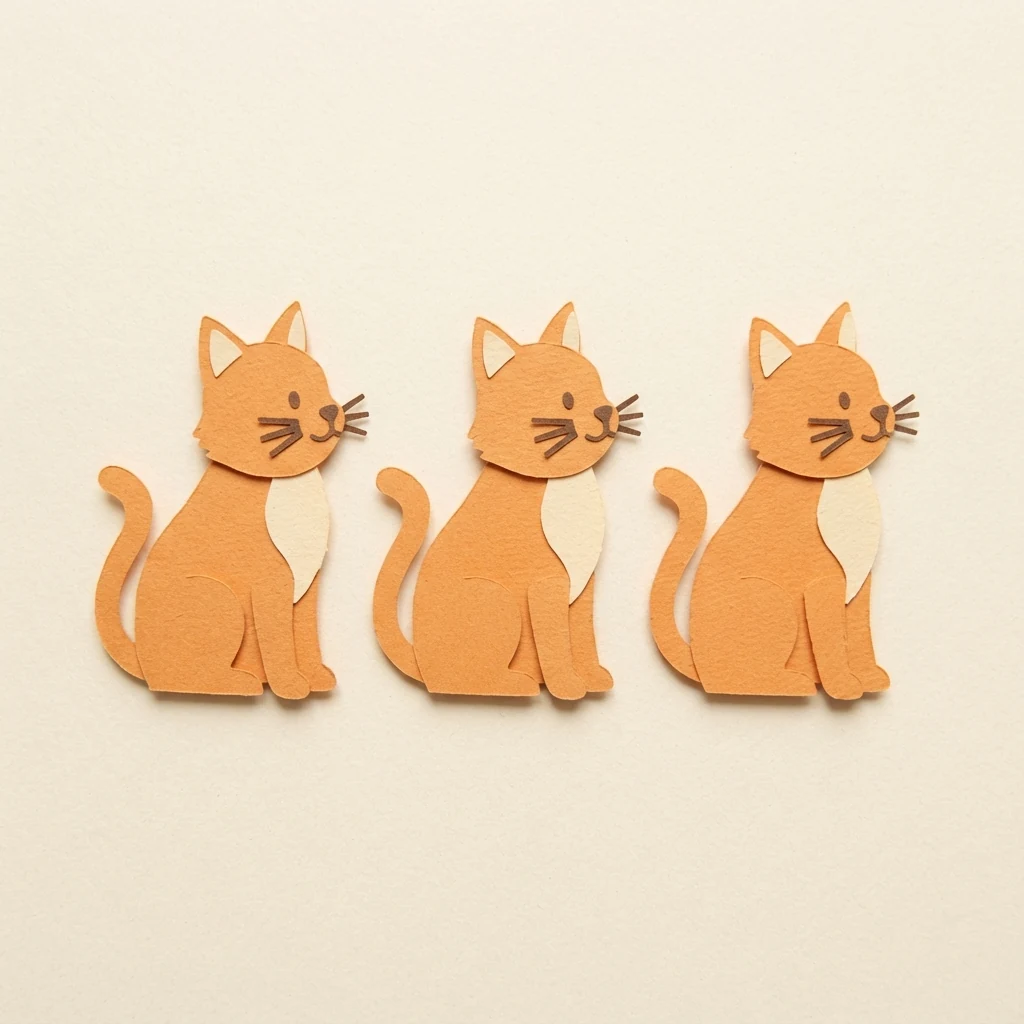
One or several? Which is the odd one out? The child sorts what they hear: grammar begins with the ear.
Haus or Maus? A single sound apart. The ear sharpens: this is exactly what gets a child ready to read.
Matching the written form to words they already know by ear. The game grows with them, all the way to their first words read.

Repeating after Kawi: hear the model, dare to say it, hear yourself. Never judged, and from day one: speaking doesn't wait for reading.
And every session follows the same little ritual:
 ReviewA gentle warm-up, on words already met.
 LearnWords never seen before, in free discovery.
 PractiseThe skill of the moment, to make it stick.
 ChallengeFinding the words in a big illustrated scene.
Short, predictable, with a real ending. The steps are a suggestion, never a wall: everything stays open, so a parent can explore and a child can dare.
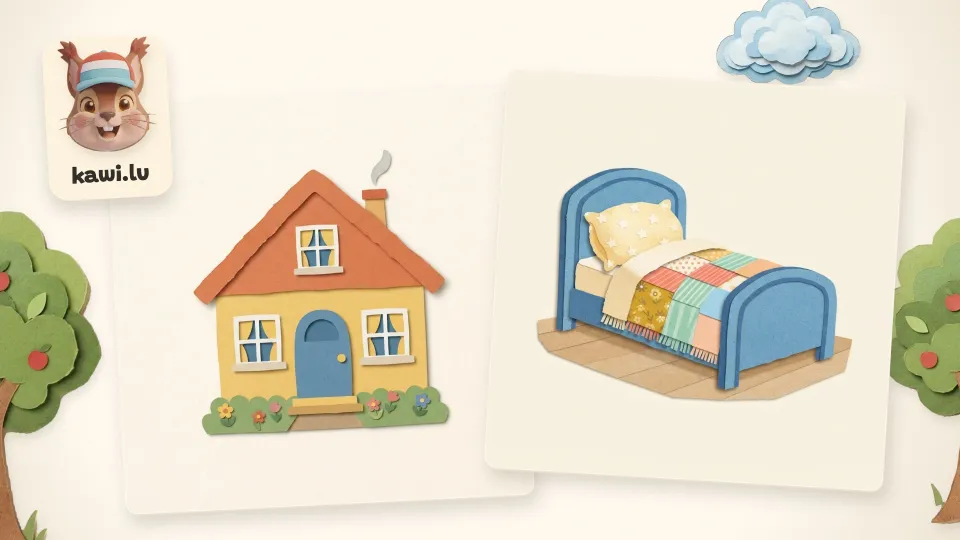
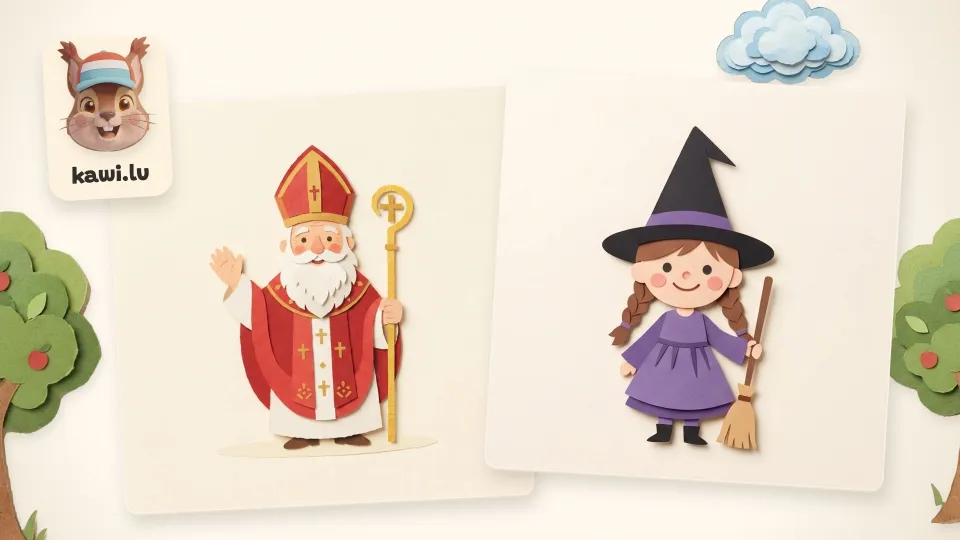
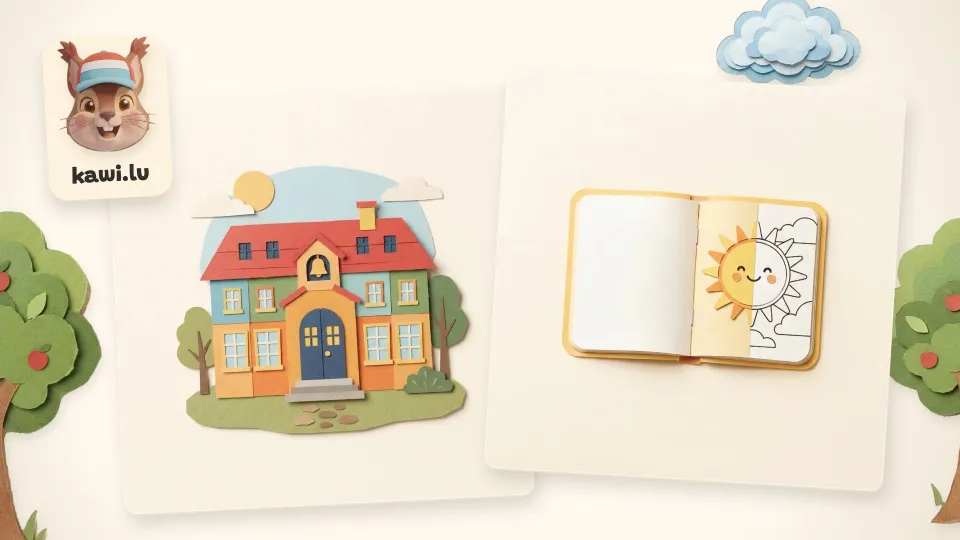
A few of the app's themes. The illustrations come straight from the game: this is exactly what your child will see.
DéierenAnimals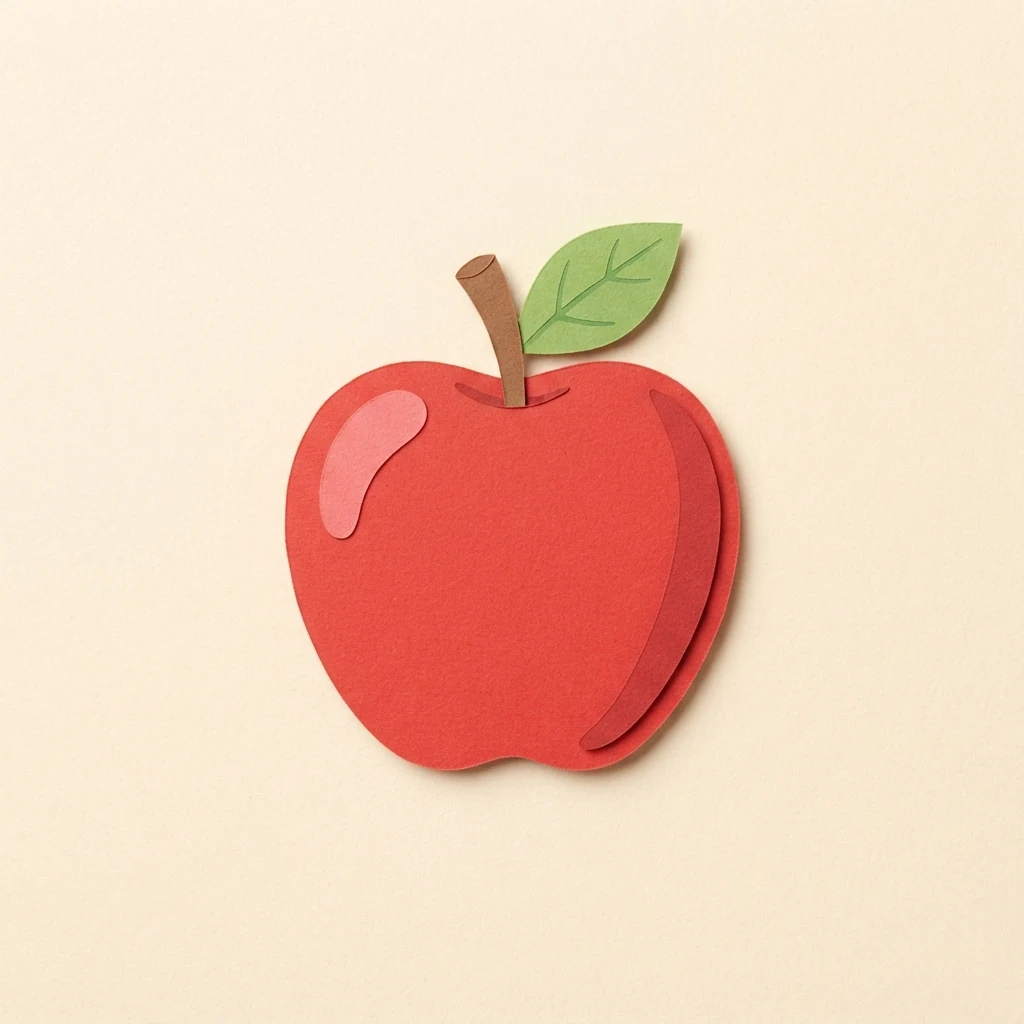 Uebst a GeméisFruit and vegetables
 ZuelenNumbers
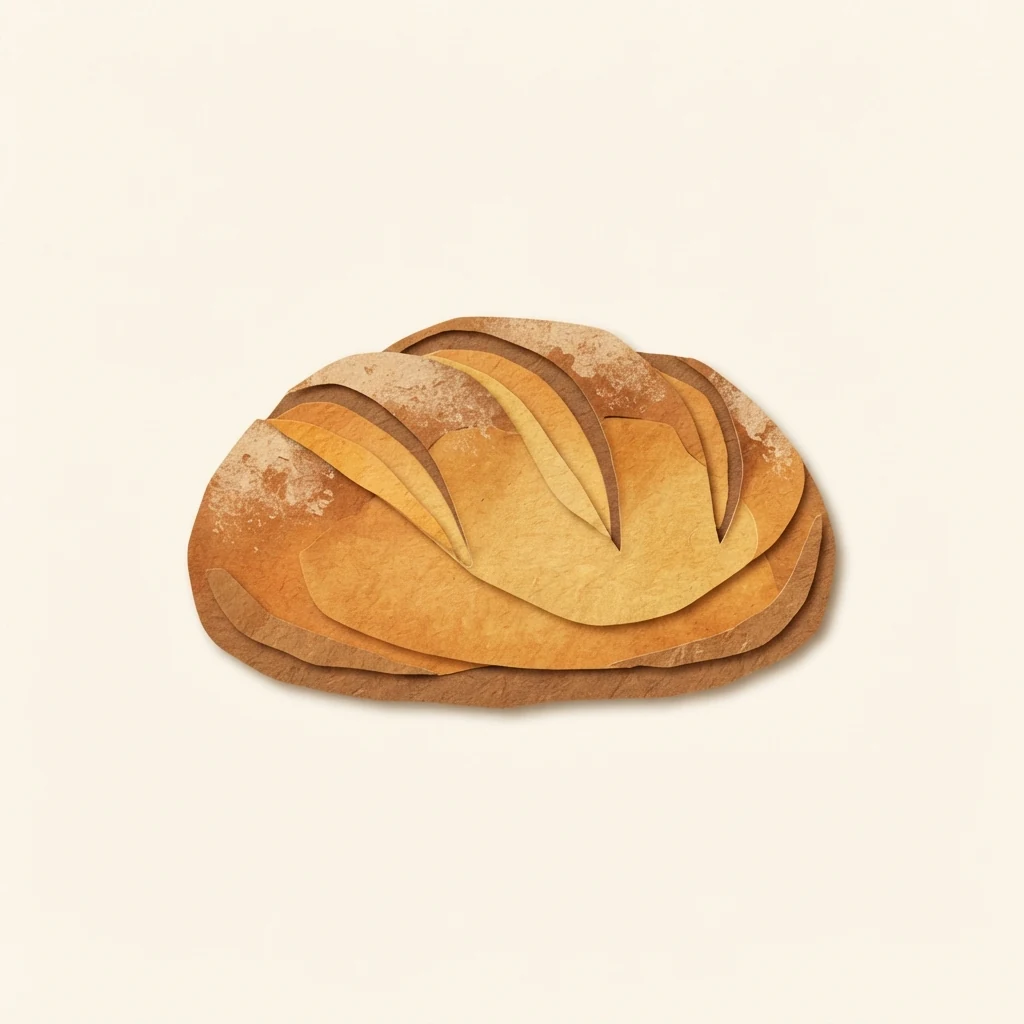 IessenFood
 NaturOutdoorsKierperThe body
 FaarwenColours
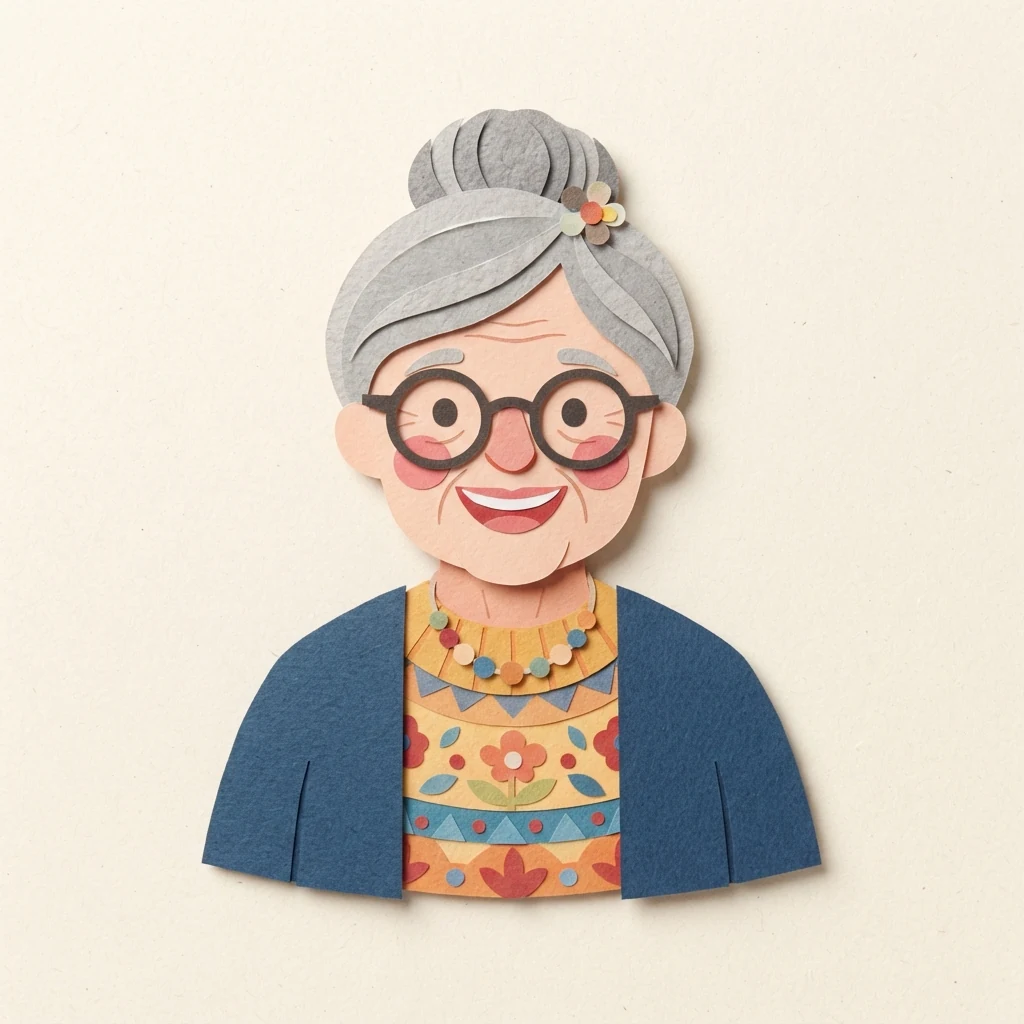 FamillThe family
A few minutes are enough. A clear ending, no nudge to stay.
No ads, no autoplay, no streak to keep alive.
Made to be played as a pair, and to point back to real life.
Short videos to watch with your child: they listen, find the picture, then try saying the word. Everyday themes, from the body to farm animals.
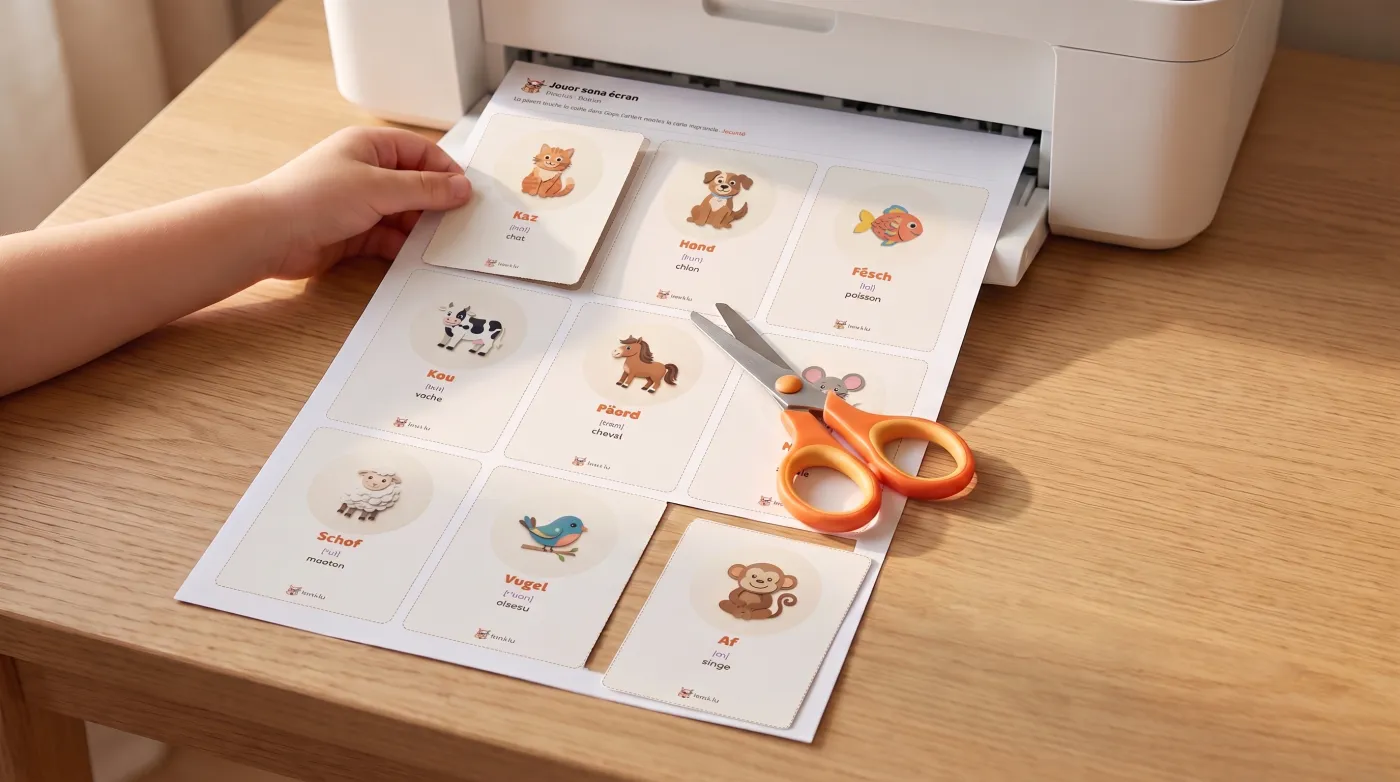
Watch Kawi TVKawi is first and foremost the app. If your child is still too young for screens, there's also a printable card version: you tap the word in the app, they point to the right card. Less screen, a real moment together.
Download the sample cards (PDF)A free sample: the Animals theme, in English. Every theme can be printed from the app.
Try the games and several themes without paying a thing. The rest unlocks simply, for the whole family: a model shown clearly, with no traps or surprise purchases.
24 sound cards: touch, listen, repeat together.
Listen →
The 3-month plan when the language isn't spoken at home.
Read the guide →Immersion, nursery rhymes, play, lessons: the 4 paths honestly compared.
Read the guide →
Registering the birth, maternity and birth leave, grants: everything, in order.
Read the guide →